Shanghai city walk
A slow Shanghai city walk: Wukang, Anfu, and Xinhua Road
The useful version of this Shanghai walk is not a race between photo pins. It is a flexible two-chapter day: begin in the lively Wukang–Anfu area, then decide whether a quiet second chapter around Xinhua Road still fits your energy, the weather, and the city around you. The reward is space to look at streets, garden houses, shade, and everyday life without treating a residential district as a set.
Get help with this tripA China-based planner reads every request. No account needed.
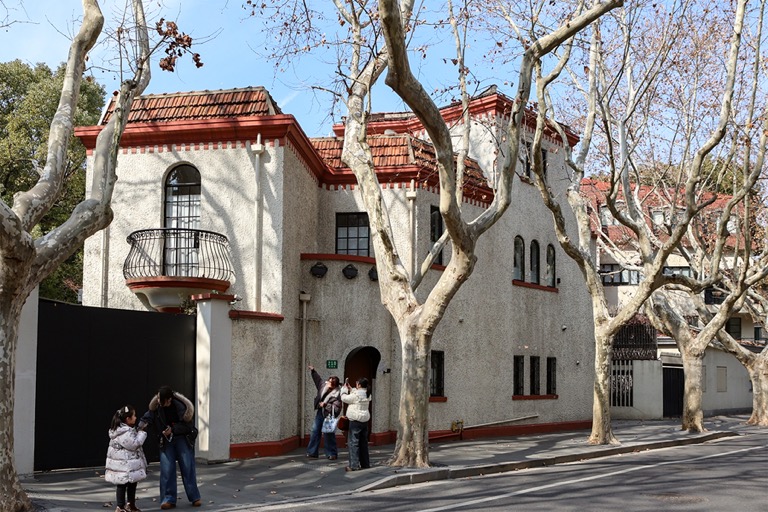
Use two connected chapters, not one forced grand loop
Treat the Wukang–Anfu area and Xinhua Road as two different moods rather than a single checklist. The first has more visitors and more reasons to pause; the second is quieter, more residential, and better approached after a meal or a rest. Combining them can make a satisfying long day, but only when the group still wants to walk and the weather is kind.
If you have only half a day, stay with the Wukang–Anfu chapter and leave with an unhurried memory. If you have a full day, use a flexible break between chapters and choose the connection that is comfortable on the day rather than proving something by walking every metre. A map line is not a quality measure for a city walk.
- Chapter one: begin around Wukang Road, then let Anfu Road and the surrounding side streets set the pace.
- Pause before adding a second area: choose one meal, museum, or quiet break rather than stacking every possible stop.
- Chapter two: use Xinhua Road for lower-density streets, garden-house details, and a slower finish.
- If heat, rain, queues, or tired feet change the day, keep one chapter and make it complete.
Begin at Wukang Road—but keep the landmark outside
Shanghai's official visitor information describes Wukang Road as a street with varied landscape architecture, multi-family residences, and modern lane houses. That makes it a good place to look slowly at the relationship between street trees, façades, corners, and daily life—not simply to collect one famous view.
Wukang Mansion is a useful exterior landmark at the beginning of the walk. The official Shanghai city-walk guidance notes that the building is not open to the public. View it from public space, do not wait in doorways or film residents, and do not assume that a beautiful entrance is an invitation to enter.
- Use the building to orient yourself, then move on to the street rather than gathering at one doorway.
- Keep voices, cameras, and group size considerate around homes and small businesses.
- Treat any gallery, shop, or café as optional: current opening, queues, and visitor rules can change.
- Do not photograph through windows, gates, or private gardens.
Let the Wukang–Anfu core set a human pace
Shanghai's Wukang–Anfu public material frames the area as a historic residential-architecture district where heritage and contemporary neighbourhood life sit together. The best way to experience that mix is to leave visual room between stops: notice a plane-tree canopy, a corner, a lane-house rhythm, or a street-level detail before deciding whether another destination is necessary.
Do not build the day around a social-media retail list. A single planned coffee, book, or design stop can be pleasant, but its value depends on what is actually open and how busy it is. When a queue changes the rhythm, use the street itself as the plan and save the venue for another visit.
- Choose one indoor or seated pause before leaving your hotel, but keep a second option nearby.
- Take shade and crossings seriously in warm weather; a slower block can be more useful than a longer route.
- Leave room for ordinary street observations instead of asking every corner to become a photo stop.
- If travelling with a group, agree on one clear meeting point rather than waiting at residential gates.
Make Xinhua Road a quieter second scene
The Xinhua Road Historic and Cultural Scenic Area is described by the Shanghai government as a 34-hectare historic zone with low-density modern garden houses, gardens, and varied architectural styles. It reads differently from a busy commercial street: the interest is in the calm pattern of walls, trees, setbacks, and side lanes.
Approach it as a residential neighbourhood, not a hidden attraction to be extracted. The most rewarding finish is usually a short, attentive stretch and then a clear decision about dinner or the next journey. Do not try to enter villas, climb walls for a view, or treat private driveways as public viewpoints.
- Use Xinhua Road when you want a quieter architectural chapter after the Wukang–Anfu area.
- Choose transport between chapters if it protects energy, accessibility, or the rest of the day.
- Look for street-level public details; do not turn homes into destinations.
- End while the walk still feels spacious rather than extending it only to complete a route.
Use indoor stops as date-specific anchors
A museum, former residence, film programme, or guided visit can give the day useful context, but each one is a date-specific choice. Shanghai's official tourism material lists the Soong Ching Ling Memorial Residence among nearby cultural sites and explicitly asks visitors to rely on its current official release for visit information. Use the responsible venue's own notice for hours, tickets, closures, language, and photography rules.
This is especially important on weekends, school holidays, and rainy days, when an old post can make a venue look more available than it is. Keep the outdoor walk viable without the indoor stop; then the indoor stop becomes a welcome layer rather than a point of failure.
- Verify operating hours, entry rules, ticket availability, and any bag or photography policy on your actual date.
- Save the venue name and hotel address in Chinese before leaving Wi-Fi.
- Keep a rain or heat alternative that does not depend on a single booked time slot.
- Do not rely on an old social post as evidence that an interior is open today.
Save a human review for the decisions a map cannot make
A self-guided city walk works well when you are comfortable checking current information, adjusting for weather, and leaving stops optional. A human route review is most useful when the walk must fit a particular hotel, museum time, mobility need, family pace, dining plan, or evening connection.
Local Lens China can help refine the order of a day, point out where a route becomes unnecessarily long, and make a bilingual list of the current items you should verify. It cannot promise entry to private homes, guarantee venue access, or replace the operating information issued by a venue or city service.
- Choose a trip review if you already have dates, a hotel, and a rough list of interests.
- Choose custom planning if the neighbourhood, pace, and surrounding Shanghai days are still undecided.
- Keep all venue, transport, and weather-dependent details subject to current confirmation.
- A request starts a planning conversation; it does not create a booking or payment obligation.
Questions before you go
Is one afternoon enough for this Shanghai city walk?
Yes. Choose either the Wukang–Anfu chapter or a shorter Xinhua Road chapter and let the other wait for another day. Trying to prove both areas in one rushed afternoon usually reduces the value of each.
Can I enter Wukang Mansion?
No. Shanghai's official city-walk guidance says Wukang Mansion is not open to the public. Treat it as an exterior landmark and respect residents, entrances, and public circulation.
Should I walk every section between Wukang, Anfu, and Xinhua Road?
Not necessarily. The guide is deliberately modular. Use a meal or transit connection when it makes the day safer, more comfortable, or more accessible; keep the final section that feels right for the group.
Do I need to pre-book cultural stops?
Rules differ by venue and can change. Check the responsible venue's current official notice for your date before treating any indoor visit as fixed.
What should I reconfirm on the day?
Weather, any venue's current entry rules and opening status, your meeting point, and the route home. Carry or save Chinese-language addresses and leave room to shorten the walk if conditions change.
How this page is reviewed
This planning guide is maintained by our China-based team. Date-sensitive details are cross-checked against the official sources shown and must be rechecked for your dates. This page is not a booking confirmation.
Last substantive review: 2026-08-06.
Check current official information
Opening arrangements, ticket rules, transport availability, and weather can change. Recheck the sources below for your dates.
- Shanghai Municipal People's Government — Wukang Road–Anfu Road slow-life block
- Shanghai Municipal People's Government — Wukang Road
- Shanghai Municipal People's Government — Xinhua Road Historic and Cultural Scenic Area
- Meet in Shanghai — Soong Ching Ling Memorial Residence in Shanghai
- Meet in Shanghai — Wukang Road city-walk recommendation
- Hero photograph — 210 Wukang Road, Shanghai by Windmemories (Wikimedia Commons, CC BY-SA 4.0)
Recheck date-sensitive arrangements directly with the relevant official source before you travel.
Turn your starting point into a workable trip
Share your dates, group, and the parts of Shanghai you want help with. A person reviews every request.