Inner Mongolia trip planning
Inner Mongolia in 5–6 days: Hohhot, desert and grassland
This guide adapts the useful route rhythm of Hohhot, the Kubuqi Desert corridor and Chūnkūn Mountain grassland for international visitors — while replacing a rushed package schedule with the transfer time, verification and cultural context an independent trip actually needs. Inner Mongolia is not one compact attraction: choosing one corridor is what makes the open horizons feel possible rather than exhausting.
Get help with this tripA China-based planner reads every request. No account needed.
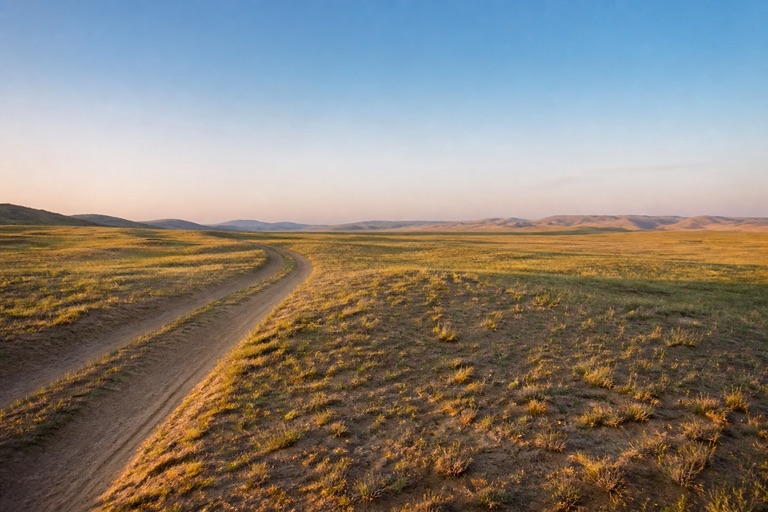
The route to borrow: Hohhot, a desert day, then high grassland
The source itinerary that inspired this page has a strong, simple shape: arrive in Hohhot, travel south-west toward the Kubuqi Desert and Xiangshawan corridor, then change scenery again for Chūnkūn Mountain grassland. That sequence works because it lets the landscape change in chapters instead of asking one place to represent all of Inner Mongolia.
For overseas visitors, the important adjustment is time. A short package can turn those stops into a tight series of coach rides and fixed activities. Plan five or six days if you want the same contrast with room to arrive, recover, travel and decide what the day actually offers. This is a route framework, not a promise that any attraction, ride, stay or performance will operate on your dates.
- Day 1: arrive in Hohhot, settle in and keep the evening local to your hotel area.
- Day 2: give Hohhot a city-and-context day before committing to a long landscape transfer.
- Day 3: make the Kubuqi Desert / Xiangshawan corridor the one main plan, with transport confirmed for your date.
- Day 4: protect a transfer or recovery day; do not treat a map line as proof that desert and grassland are interchangeable.
- Days 5–6: choose a grassland or Chūnkūn Mountain-focused stay if the season, conditions and return logistics make it sensible.
First decide which Inner Mongolia you are visiting
Inner Mongolia extends roughly 2,400 kilometres from east to west and contains forests, grasslands, wetlands and deserts. That scale is the planning fact most postcard itineraries hide. Hohhot, a Kubuqi Desert experience and a northern or high-grassland landscape may belong in one trip only when the transfer days are deliberately protected.
Use this page if you want the Hohhot–Ordos–grassland rhythm. Do not add Hulunbuir, far-east forests or every famous name simply because they sit inside the same autonomous region. A first trip becomes more memorable when it follows one geographic story and leaves enough room to notice the change in light, wind and everyday pace.
Use Hohhot as an anchor, not proof that the whole region is nearby
Hohhot is the regional capital and a useful place to begin: it gives a first city night, a clear meeting point and time to organise the practical pieces before entering a landscape corridor. The name is commonly rendered as “Blue City”; what matters for a visitor is that this is a real city base, not a grassland campsite with an airport attached.
Keep the first full day modest. Walk, eat, learn the local address of your next stay, and check the actual departure point for the following transfer. If you are travelling independently, this is where local language help or a route review can have more value than an all-day escort.
- Save hotel names and addresses in Chinese as well as your preferred language.
- Confirm the next day's departure point, luggage rules and return plan from the operator or transport provider.
- Treat weather, road conditions and public-holiday demand as current checks, not details inherited from an old itinerary.
Make the desert day a landscape decision, not a checklist of rides
The Kubuqi Desert corridor, including the Xiangshawan area in the source route, can give a striking transition from city and plains to sand. It is tempting to pre-buy every available activity, but the better question is what kind of day you want: time on foot, a viewpoint, a carefully chosen resort stay, or simply a long visual change from your usual environment.
Do not assume camel rides, off-road vehicles, pools, glamping rooms, trains, shows or particular food service will be available, appropriate or included. Ask the current operator exactly what is open, what is optional, how long each transfer takes and what the cancellation terms are. If an activity involves animals or a staged cultural encounter, choose only after you can make an informed, respectful decision.
Let grassland be a hosted landscape, not a costume backdrop
The original route's Chūnkūn Mountain grassland stop is a valuable counterweight to the desert: altitude, open pasture and a different temperature can reset the whole trip. But grassland is also a living environment and, in many places, a working community. Treat it as more than a photo set or a generic “nomad experience.”
When you book a local visit, ask what the host actually provides, who will explain the place, whether photography is welcome, and what happens if weather changes the plan. Avoid packages that reduce people to dress-up, forced toasts or promises of an “authentic” performance. A good experience leaves you with clearer context, not just faster content for social media.
Keep the independent parts; ask for help where it protects the trip
You can plan most of this route independently if you are comfortable with current transport information, changing weather and a plan that may need to flex. What deserves a date-specific check is the connection between Hohhot, the desert corridor, a grassland base and your departure city — especially when you have a fixed international flight or a group with different mobility needs.
A Local Lens route review can test the sequence, identify a fragile transfer and tell you what must be verified by the official operator. A custom plan is more useful when you still need to choose a base, a corridor or only the local help you genuinely want. We do not guarantee entry, availability, visa outcomes, weather, a particular driver or a cultural activity.
Questions before you go
Are five or six days enough for Inner Mongolia?
They are enough for a focused Hohhot, desert and one grassland corridor if you protect arrival and transfer time. They are not enough to treat the whole region as a single road trip or to add far-east destinations without substantially more travel time.
Can I combine Hohhot, Xiangshawan and Chūnkūn Mountain?
That is the route rhythm adapted here, but it should be checked against your dates, seasonal conditions and onward transport. Keep at least one flexible transfer or recovery period instead of assuming the desert and grassland legs will always link smoothly.
Is Hohhot the right place to start?
It is a practical anchor for this corridor because it offers a city arrival point and planning buffer. It does not make every Inner Mongolia destination nearby, so choose it only after checking the whole route and departure plan.
Can I visit without joining a group tour?
Yes. Independent travel is realistic when you can confirm current transport and venue information, communicate your hotel and meeting details, and leave room for changes. You can also request a route review or only the limited local support you need.
What should I verify right before travel?
Verify weather, road or rail conditions, each provider's current opening and activity details, accommodation address, luggage arrangements, payment and cancellation terms, and the real time needed to reach your next base. Check official or direct operator information for your own dates.
How is this guide different from a generic Inner Mongolia itinerary?
It starts with a tested landscape sequence — Hohhot, desert, then grassland — but makes the hidden cost visible: regional distance. It also separates what you can plan independently from what deserves a current check, and avoids selling people, animals or culture as guaranteed photo props.
How this page is reviewed
This planning guide is maintained by our China-based team. Date-sensitive details are cross-checked against the official sources shown and must be rechecked for your dates. This page is not a booking confirmation.
Last substantive review: 2026-08-05.
Check current official information
Opening arrangements, ticket rules, transport availability, and weather can change. Recheck the sources below for your dates.
- State Council Information Office — Inner Mongolia geography and ecology
- China Tourist Office — Inner Mongolia overview
- State Council Information Office — Horqin grassland and cultural context
- China Railway 12306 — English FAQ
- China Meteorological Administration — current weather services
Recheck date-sensitive arrangements directly with the relevant official source before you travel.
Turn your starting point into a workable trip
Share your dates, group, and the parts of Inner Mongolia you want help with. A person reviews every request.